Leisure Activities (Fritidsaktiviteter)
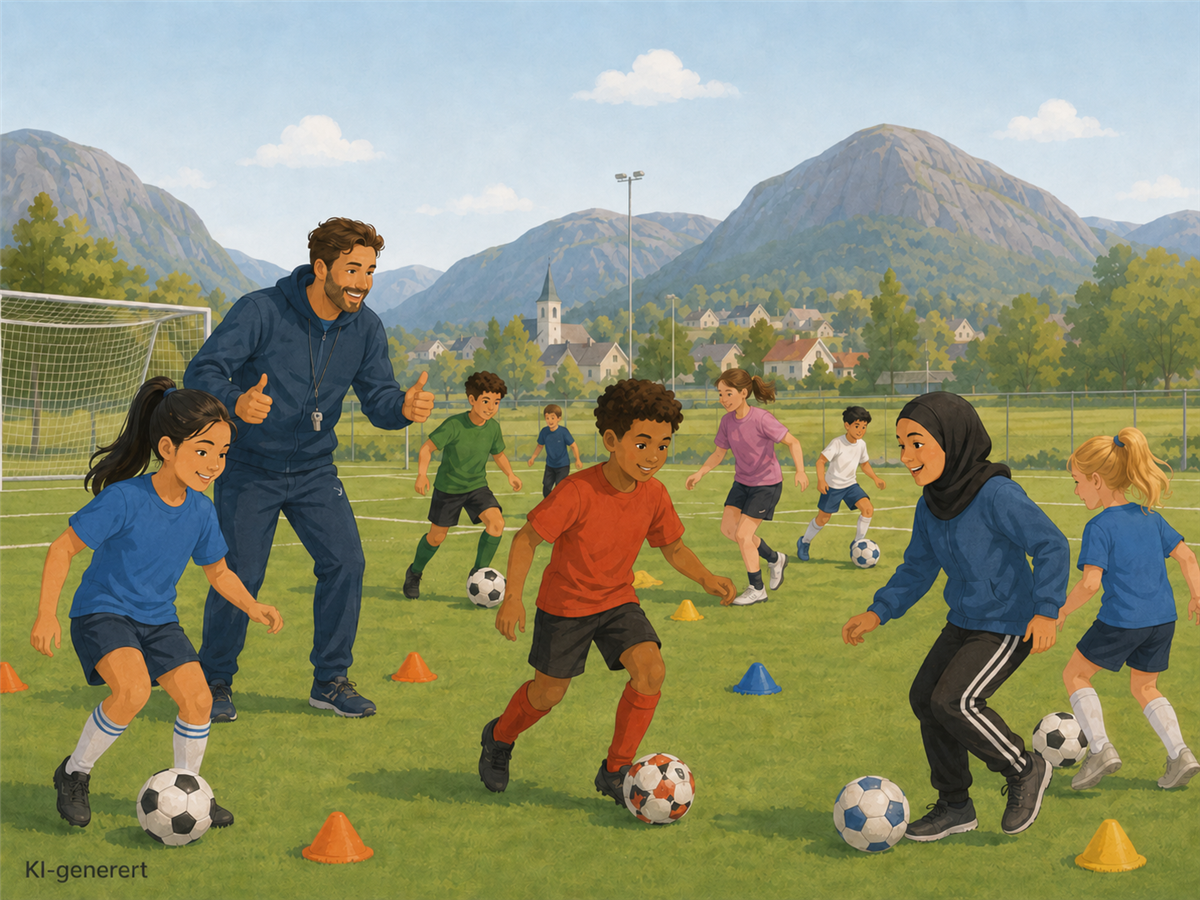
Leisure activities are an important part of growing up in Norway. They help children and young people build friendships, learn new skills, and feel included in the local community. The following page provides general information about leisure activities and cultural norms in Norway.
Please note that some of the links on this page are only available in Norwegian. We apologize for any inconvenience.
Activities in Gjesdal for children and youth
There are many different activities available in Gjesdal. Children and youth can take part in activities such as sports, music, dance, arts, outdoor activities, and youth clubs. You can find an overview of activities here:
It can also be helpful to search online. For example, you can try searching for the place and activity, such as “Ålgård football” or “Gjesdal dance”.
Spond (communication in activities)
Many activities use an app called Spond to share information with parents and participants. In Spond, you can:
- Receive messages from trainers or organizers
- See practice times, matches, and activities
- Confirm your child’s participation in practices and matches
- This helps trainer plan activities and ensures your child can take part in matches or tournaments
- If your child cannot attend after confirming, inform the trainer as soon as possible. This gives the team time to adjust or find a replacement
- Receive invoices for the leisure activity
You can watch a short introduction video here. The video is in English, and you can turn on subtitles in different languages in the settings.
You can find more information about Spond here.
Activities advisor (Fritidsveileder)
Gjesdal municipality has an activities advisor (fritidsveileder) who can help children, youth, and families get started with activities. They can:
- help you find suitable activities
- support you in getting started
- give guidance about financial support
- support families who need extra help or follow-up
This service is free of charge.
Read more about the activities advisor here. The page includes information both in Norwegian and English.
Good to know: Norwegian culture and leisure activities
- Participation and costs
- Many activities have a small fee. Financial support may be available—ask the coach, instructor, or leisure advisor (fritidsveileder) for guidance.
- Dugnad (Voluntary community work)
- Dugnad is a common part of Norwegian leisure activities. It is a way for families to contribute, keep costs lower, and get to know each other.
- It can include practical tasks or selling items (for example toilet paper, calendars, or socks) to raise money for the team.
- Participation is expected, but it is okay to talk with the coach, instructor or organizer if you are unsure or unable to take part.
- Equipment
- Different activities require different equipment. Check with the club or coach for more information about what is needed.
- Equipment does not have to be new—you can buy second-hand (for example on FINN.no or Tise)
- Some equipment can be borrowed for free from Frilager
- Expectations
- Expectations may vary between activities, so it is helpful to stay in dialogue with the coach/instructor
- Parents are encouraged to be present in the beginning, to support their child, get to know the activity and the instructors
- It can also be helpful to be present in other situations, for example if the child is very young or has specific needs that require extra support
- Being present can make it easier to build trust, understand how the activity works, and maintain good communication with the coach
- Attendance and communication
- Always inform the coach/instructor if your child cannot attend
- Regular attendance helps the child feel included, build skills, and be part of the team
- In many activities, such as football, children who attend practice regularly may have more playing time in matches or tournaments
- Transport
- Parents are usually responsible for transport to and from activities.
If this is challenging, talk to the coach/instructor—often solutions can be found together.
And most important of all, it is okay to ask! You don’t need to know everything before starting.
Sist endret 08.07.2026 10.20